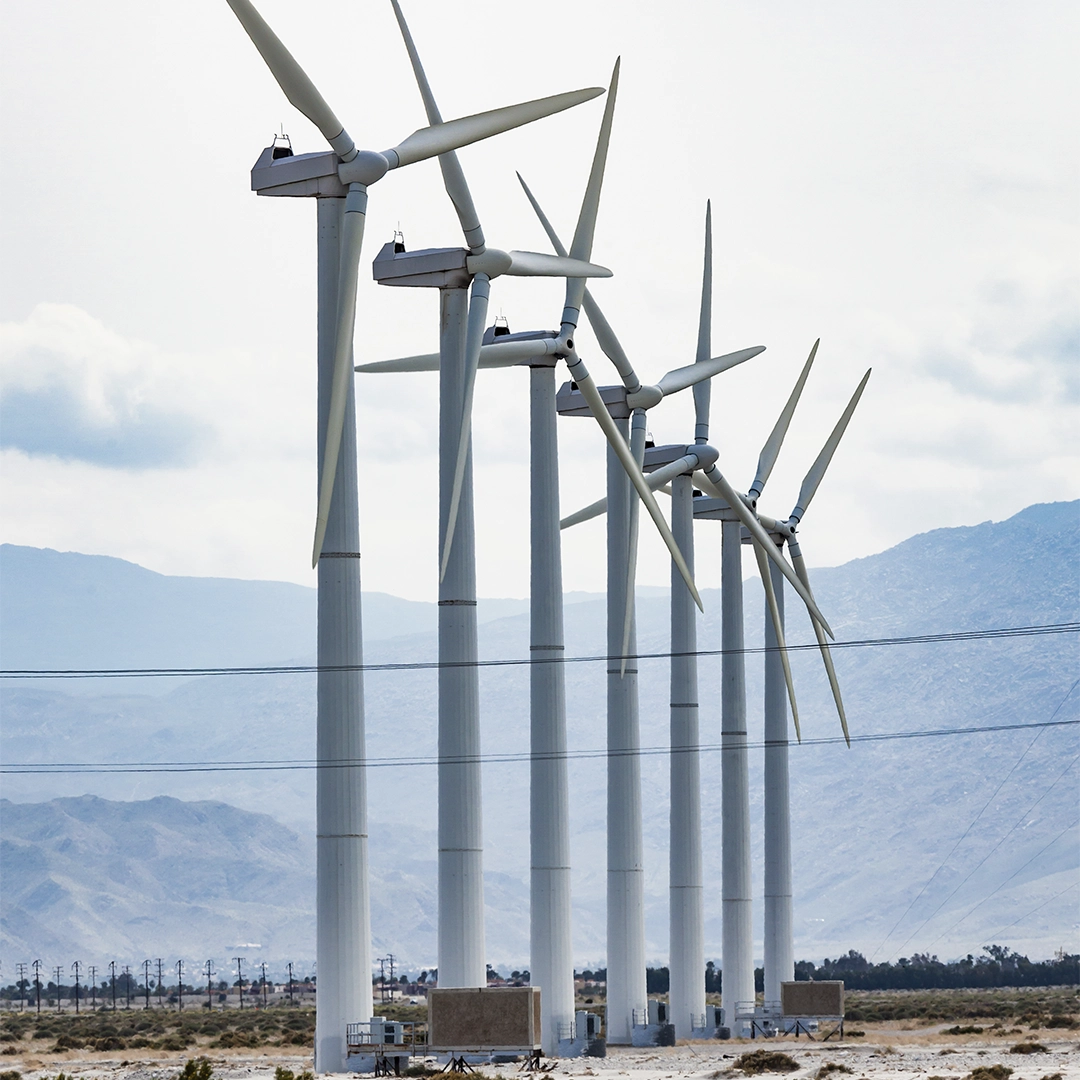



/ wind energy

Blade Root Replacement

Exclusive technology for safe repair and certification of loose bushings.

Blade Design

Optimized blades for aerodynamic and structural high performance.

Manufacturing and Quality Inspections

Strict control to ensure technical integrity and compliance.

Noise Reduction

Serrated-edge solutions that reduce noise and improve performance.

MAINTENANCE AND REPAIRS

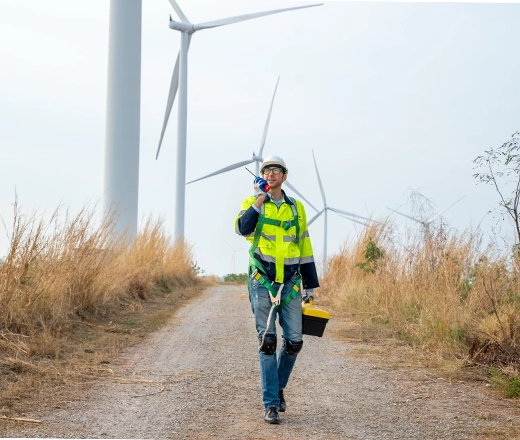
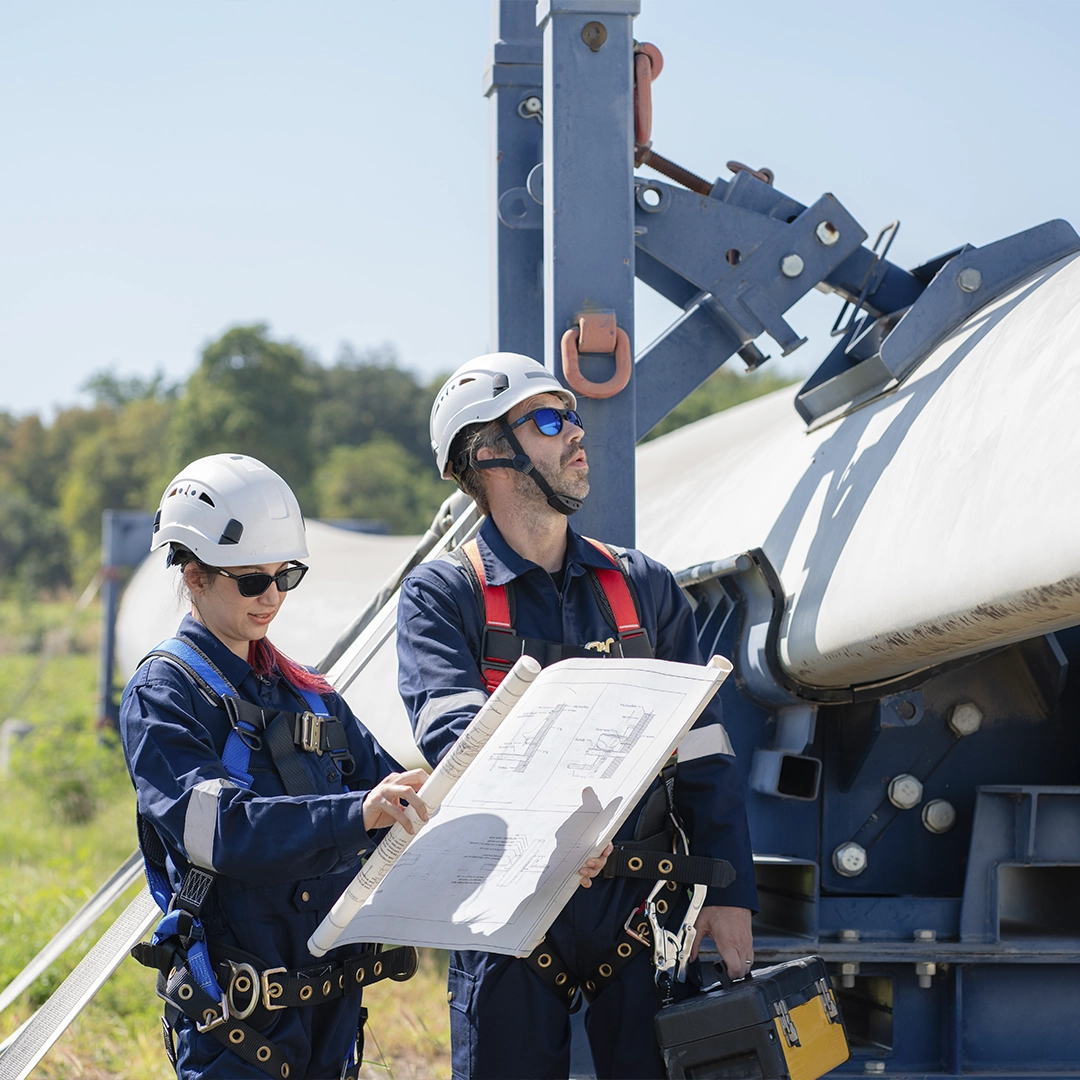
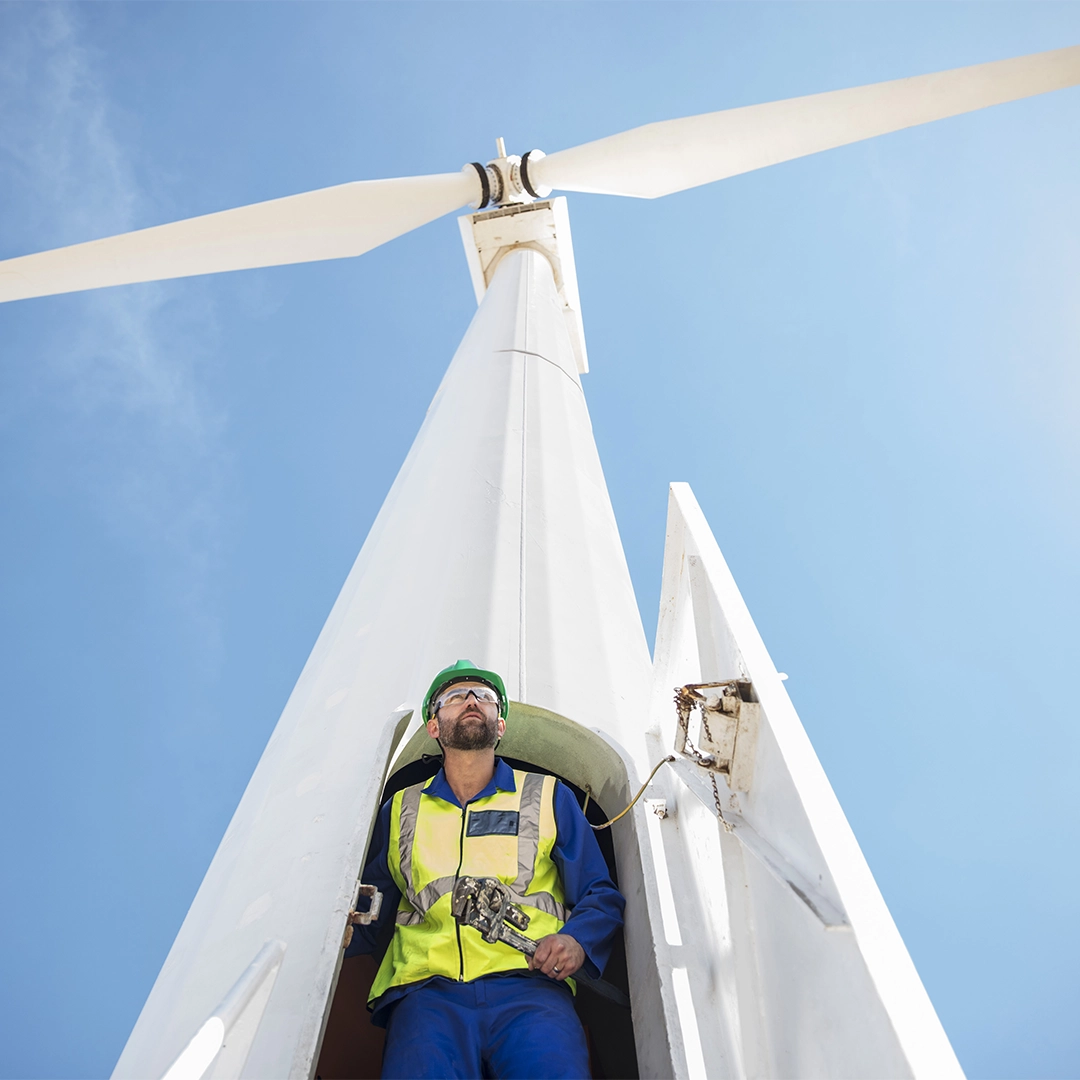
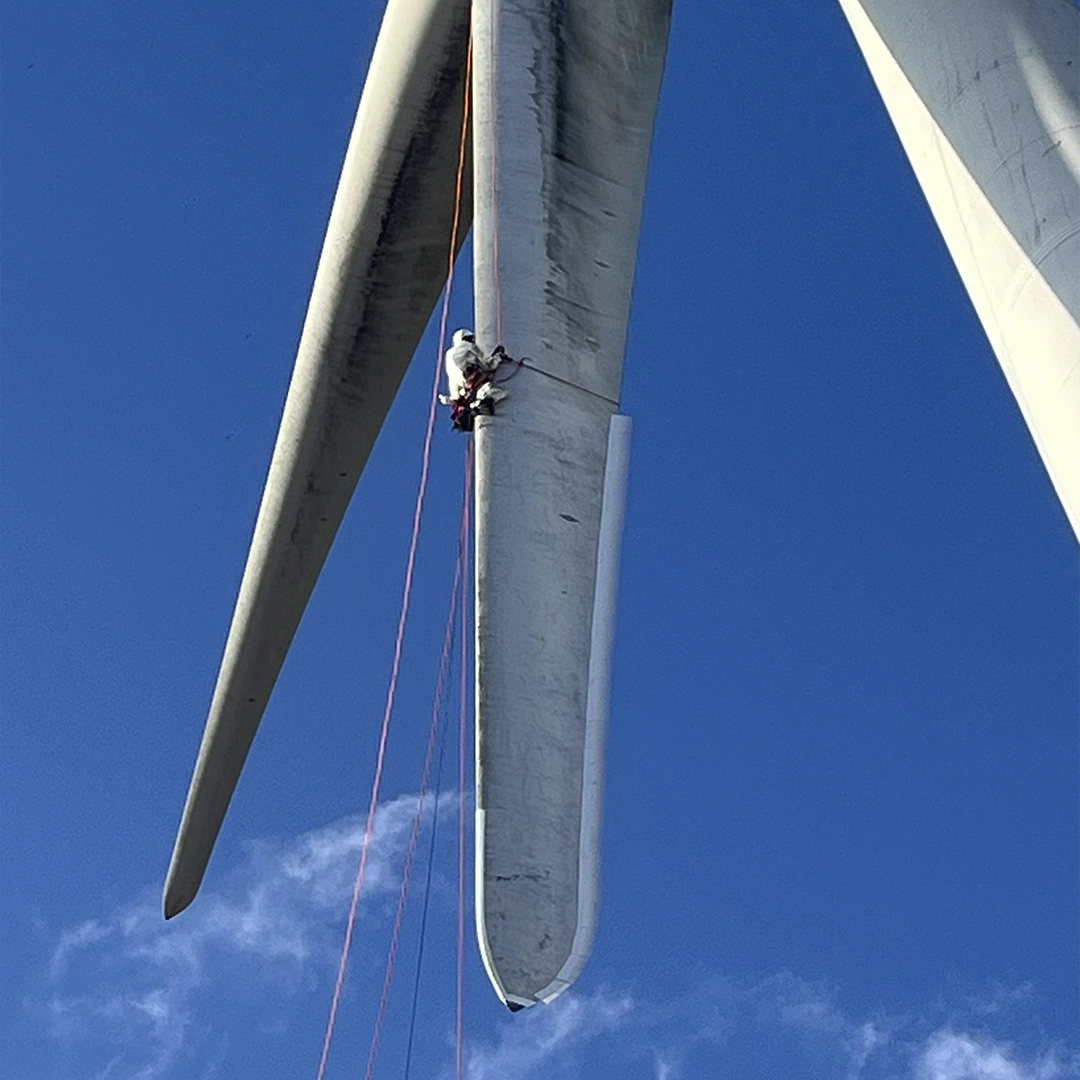
Ensure the performance and durability of your wind turbines. We offer specialized solutions to keep your turbines operating at full efficiency — from detailed structural inspections to leading edge protection (LEP) application and development of custom repair projects for any need.

Our services include:

• Advanced Structural Inspection:
We detect issues before they affect production.
• LEP Application: We protect against erosion and optimize aerodynamics.
• Custom Repairs: Precise engineering solutions to fully restore blade integrity.

Protect your investment and maximize energy generation.
Inspeções de fabricação e qualidade

Lorem ipsum dolor sit amet, consectetur adipiscing elit, sed do eiusmod tempor incididunt ut labore et dolore magna aliqua. Ut enim ad minim veniam, quis nostrud exercitation ullamco laboris nisi ut aliquip ex ea commodo consequat. Duis aute irure dolor in reprehenderit in voluptate velit esse cillum dolore eu fugiat nulla pariatur. Excepteur sint occaecat cupidatat non proident, sunt in culpa qui officia deserunt mollit anim id est laborum. Sed ut perspiciatis unde omnis iste natus error sit voluptatem accusantium doloremque laudantium, totam rem aperiam, eaque ipsa quae ab illo inventore veritatis et quasi architecto beatae vitae dicta sunt explicabo. Nemo enim ipsam voluptatem quia voluptas sit aspernatur aut odit aut fugit, sed quia consequuntur magni dolores eos qui ratione voluptatem sequi nesciunt. Neque porro quisquam est, qui dolorem ipsum quia dolor sit amet, consectetur, adipisci velit, sed quia non numquam eius modi tempora incidunt ut labore et dolore magnam aliquam quaerat voluptatem. Ut enim ad minima veniam, quis nostrum exercitationem ullam corporis suscipit laboriosam, nisi ut aliquid ex ea commodi consequatur? Quis autem vel eum iure reprehenderit qui in ea voluptate velit esse quam nihil molestiae consequatur, vel illum qui dolorem eum fugiat quo voluptas nulla pariatur?

Structural Testing

Static and fatigue tests for full component validation.

Wind Farm Model Build

Dynamic modeling to optimize generation and reduce wear.

RCA (Root Cause Analysis)

Accurate fault identification in turbines based on data and simulations.

Expert Analysis and Arbitration in the Wind Sector

Technical assessments and reports for conflict resolution in the wind energy sector.

/ AERONaUTICs

AIRCRAFT DESIGN

The development of a new aircraft is a complex, iterative process divided into three main phases — each with clear objectives and increasing detail:

• Conceptual Design: The initial phase where ideas take shape. Based on market or mission requirements (passenger count, range, speed, fuel efficiency), engineers explore various configurations. This includes defining core characteristics: shape, wing type and position, empennage layout, and propulsion system. The goal is a viable concept that meets performance and cost targets.

• Preliminary Design: Once the concept is set, the design is refined. Engineering teams (aerodynamics, structures, propulsion, systems) work in parallel to improve accuracy. Tasks include weight and balance analysis, aerodynamic simulations (e.g., CFD), and wind tunnel testing. Key systems like landing gear and control systems are defined and placed.

Detailed Design: Every part of the aircraft is modeled with high precision. Thousands of components are developed, including 3D models of ribs, spars, and fittings. Specifications, materials, tolerances, and manufacturing processes are fully defined, resulting in a “build plan” ready for manufacturing and prototype assembly.

COMPONENT DESIGN

An aircraft is a highly complex system composed of millions of parts, where the integrity of each is critical to overall safety. Component design focuses on developing parts that are extremely light, yet incredibly strong.

• Material Selection: Critical step. High-strength aluminum, titanium, and increasingly, composite materials (like carbon fiber) are used to optimize weight-to-strength ratio.

• Stress Analysis: Using Finite Element Analysis (FEA), engineers simulate flight loads (vibration, pressure, temperature) to ensure components withstand extreme conditions.

High-Precision Manufacturing: Aeronautical components must be fabricated with minimal tolerances. Compliance with standards like AS9100 is a prerequisite for any supplier in the industry.

AIRCRAFT CERTIFICATION

No civil aircraft can operate commercially in Brazil without a rigorous certification process led by ANAC (National Civil Aviation Agency). This ensures the aircraft and its components meet all safety and airworthiness requirements.

• Regulatory Basis (RBAC): The main regulation is RBAC 21, which sets the procedures for issuing the Type Certificate (CT).

• Type Certificate (CT): The key document issued by ANAC confirming the aircraft's type design complies with regulations. The manufacturer must demonstrate safety through analysis, ground and flight tests.

• Compliance Demonstration: The manufacturer submits extensive technical documentation, including structural and system test reports and flight test results.

Component and Modification Certification: Certification also applies to critical components (engines, propellers, etc.). Any significant design change requires a Supplemental Type Certificate (CST) approved by ANAC.

The integration between design and certification is total. From the conceptual phase onward, engineers work to ensure compliance — so every design decision contributes to a product that performs well and is certified, safe, and ready to fly.

ENGINEERING SERVICES

From simulation to experimental testing, we offer complete engineering services to validate, optimize, and certify complex projects. We combine academic expertise, technical mastery, and practical precision to meet the highest industry standards — delivering tailored solutions for every challenge.

/ Certificação

/ Consultoria

/ Compósitos e Testes de materiais

/ FEA e aeroelástica

Certification

Testing and validation to ensure components and structures meet regulatory and safety standards, ensuring reliability and market approval.

Consulting

Specialized technical support in engineering projects, covering aerodynamics, structures, materials, and processes — with custom solutions to maximize performance and reliability.

Composites and Material Testing

Development, characterization, and validation of composite materials, with static and fatigue tests that ensure lightness, strength, and durability in critical applications.

FEA and Aeroelasticity

Advanced finite element analysis and aeroelastic simulations to predict performance, optimize designs, and ensure structural safety under all operating conditions.

/ Certification

/ Consulting

/ Composites and Material Testing

/ FEA and Aeroelasticity

OUR COMPANY

Newco Blades is an engineering company specialized in developing innovative solutions for complex industrial challenges. With a strong background in the wind energy and aerospace sectors, we adopt an approach based on the latest academic research and the most advanced engineering practices — using simulations and specialized techniques to deliver efficient, high-performance solutions.

Our expertise allows us to operate across various sectors, creating custom projects tailored to the specific needs of each client. Focused on personalized solutions, we continuously strive to drive innovation in engineering, ensuring efficiency and excellence in every project.

Learn more about us